Peeling paint, blisters, cracks and stains can have several causes. The problem may be in the coating or beneath it: loose old paint, sanding dust, moisture or unsuitable preparation. Another coat will not necessarily put it right.
Why the layer beneath the paint matters
Adhesion is the bond between two materials, such as paint and plaster. Cohesion is the strength within a layer. New paint may bond well to an old coat even when that old coat is coming away from the wall. Both layers can then peel off together.
1. Peeling paint
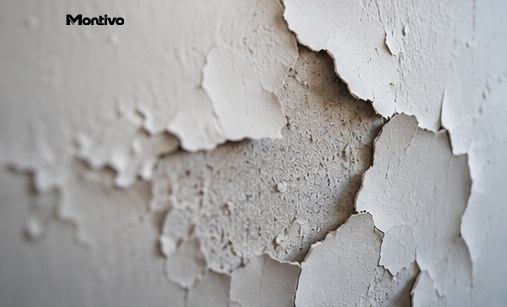
Lifting edges and flakes can be caused by dirt, dampness or a glossy surface that has not been keyed. The failing layer may also sit beneath several older coats. Check where the separation is happening, then remove loose material until a sound base remains.
2. Dust left after sanding
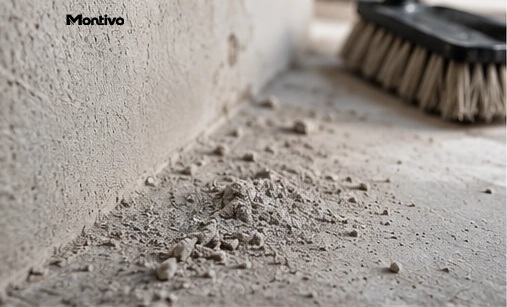
A sanded wall is not necessarily ready for paint. Fine dust can remain between the coating and the surface. Remove it thoroughly. If the surface is still powdery or chalking, assess whether it can be stabilised or whether more unsound material needs to be removed.
3. Blisters and small craters
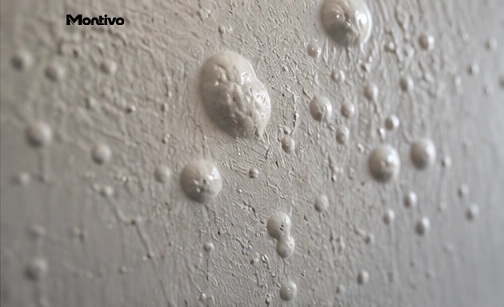
With blistering, the paint film lifts locally. Moisture, heat or poor adhesion may contribute. Small craters and pinholes may form when air bubbles burst in wet paint or when contamination interferes with wetting. Pores in a highly absorbent surface may also play a part.
These defects can look similar without needing the same repair. Check whether moisture, trapped air, contamination or the application method is involved. Puncturing the defect or painting over it does not address the cause.
4. Stains that return
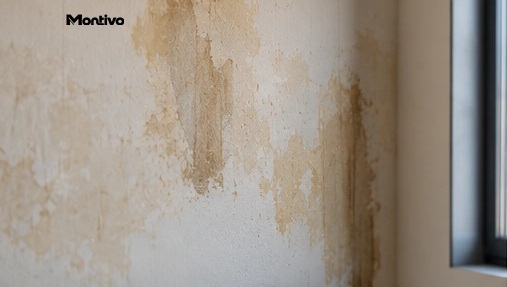
Some staining substances can migrate through ordinary wall paint. Clean the surface and establish the source of the stain. If the wall is still damp, deal with that first. A suitable stain-blocking primer or a different coating system may then be needed.
5. Roller marks and uneven sheen
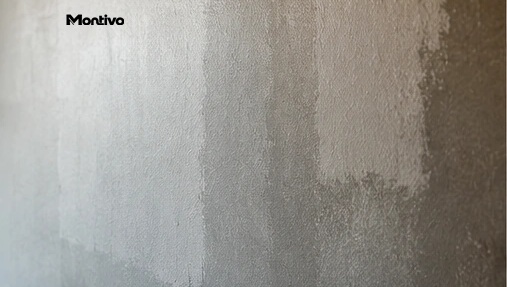
Side lighting makes roller marks and sheen differences more obvious. Possible causes include different absorption rates in filler and old paint, uneven film thickness or losing the wet edge. Consistent preparation, a suitable roller and following the application instructions help limit these problems.
6. Peeling beside frames and joints
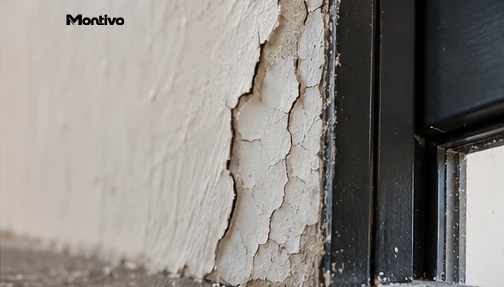
At junctions between materials, movement, condensation, water ingress or unsuitable jointing products can cause cracking and peeling. Inspect the junction and check for moisture. Confirm that the products are compatible before resealing or repainting.
Is primer always needed?
No. A clean, sound and compatible existing coating can sometimes be repainted directly. New plaster, highly absorbent areas, repairs and difficult surfaces may need a specific primer. Choose the product and application rate for the substrate and paint system. More primer does not necessarily give a better result.
What needs to happen before painting?
Assess the existing layers first. Remove loose material, address moisture and contamination, and repair damaged areas. Sand and remove dust thoroughly. Then choose a primer and paint suited to the surface. Follow the manufacturer’s drying and recoating times.
The images illustrate possible defects. The exact cause of any damage can only be confirmed after an on-site inspection.